


Updated on November 12, 2026
Bedside nursing is where many nurses begin their careers, and many choose to stay. Others eventually look for ways to use their clinical experience in a different setting or with a different type of responsibility. Alternative nursing jobs give nurses opportunities to move beyond direct bedside care while still using their clinical knowledge and judgment.
Nursing expertise can be valuable in many professional settings outside a hospital unit. Some roles focus on care coordination or virtual care, while others involve technology, education, or consulting. This guide explores major non-bedside nursing careers, what each role involves, the preparation that may be needed, and the factors nurses should consider when choosing their next career move.
Table of Contents
- What Are Alternative Nursing Jobs?
- Alternative Nursing Jobs at a Glance
- Healthcare Organization Roles: Case Management and Utilization Review
- Technology, Informatics, and Research Roles
- Education Roles: Academic and Clinical Nurse Educator
- Legal, Industry, and Consulting Roles
- Community and Population Health Roles
- Alternative Clinical Settings, Telehealth, and Remote Nursing Roles
- Why Consider Alternative Nursing Jobs?
- Frequently Asked Questions About Alternative Nursing Jobs
- Finding the Right Alternative Nursing Career
What Are Alternative Nursing Jobs?
Alternative nursing jobs are careers nurses can pursue outside of traditional bedside care. While some nurses are content to stay in those traditional roles, others want to explore different ways to utilize their degree, knowledge, and skills.
Since nurses require specialized education and critical thinking skills, there’s no shortage of other jobs they can look into.
These non-traditional nursing jobs can involve a move away from direct patient care, or they can simply involve a change in work setting. Just because these roles are considered “alternative” doesn’t mean they’re any less important. The nurses who occupy the roles we discuss in this post play a critical part in making sure the healthcare system is able to care for all kinds of patients.
Alternative Nursing Jobs at a Glance
Choosing among non-bedside nursing roles often starts with understanding the type of work and setting that fit your career goals, since some positions can include a mix of clinical and non-clinical roles. It also helps to know if a role may require additional education, certification, or specialized experience. A quick comparison makes those differences easier to see before exploring each career path in more detail.
| Career Area | Examples | Work Environment | Additional Preparation |
|---|---|---|---|
| Case management and utilization review | Nurse case manager, utilization review nurse | Hospitals, insurers, healthcare organizations | Clinical experience; certification may be preferred |
| Nursing informatics | Informatics nurse, clinical analyst, implementation specialist | Health systems, vendors, technology companies | Technology experience; graduate education may help |
| Nursing education | Clinical educator, nursing faculty, adjunct instructor | Hospitals, colleges, universities | Graduate education is common for many roles |
| Legal and consulting | Legal nurse consultant, healthcare consultant | Law firms, consulting firms, independent practice | Role-specific experience or certification may help |
| Community health | Public health, occupational health, school nursing | Government, schools, community and employer settings | Requirements differ by employer |
| Telehealth | Triage nurse, virtual care nurse, remote monitoring nurse | Health systems, practices, remote-care organizations | RN experience and applicable licensure requirements |
Healthcare Organization Roles: Case Management and Utilization Review
Case management can be a natural transition for nurses with experience coordinating patient care. Nurse case managers help patients understand treatment plans, connect with needed services, and move between care settings more smoothly. The role relies on strong communication, clinical judgment, and an understanding of how care is coordinated across the healthcare system.
Utilization review nurses use clinical knowledge in a different way. They review medical records and apply established criteria when evaluating the appropriateness of services or coverage decisions. These roles may appeal to nurses who prefer working with clinical information while having less direct bedside responsibility.
Certification requirements differ among employers and positions. Some case management roles may prefer or eventually require credentials such as the Certified Case Manager (CCM), while others place greater emphasis on RN experience and care-coordination skills. Nurses considering either path should review the qualifications listed by the employers they are interested in.
Other non-clinical nursing roles you can consider within the healthcare organization include:
Nurse Administrator
Nurse administrators are responsible for overseeing the administrative and managerial aspects of nursing departments. Rather than focusing on direct bedside care, they focus more on tasks like:
- Ensuring adherence to regulatory standards
- Shaping department policies
- Managing budgets
- Supervising staff
Apart from having a lot of clinical experience, nurse administrators understand the needs and challenges their staff faces daily. They often hold an advanced degree, like a Master’s in Healthcare Administration. Unlike nurse case managers who oversee a specific department or unit, nurse administrators have a broader, facility-wide focus.
Chief Nursing Officer (CNO)
Chief Nursing Officers are one of the highest-ranking nursing positions nurses can achieve. Typically part of the healthcare facility’s executive team, their responsibilities include:
- Overseeing all nursing operations
- Shaping strategic direction
- Ensuring the best possible patient outcomes
Through collaboration with other health executives, CNOs ensure procedures and guidelines of the nursing department align with the rest of the facility’s departments, acting as the bridge between nursing practice and organizational strategy. To achieve this high-level position, you’ll need an advanced degree, either an MSN or a terminal degree like a DNP. Apart from these, CNOs need lots of leadership experience.
Nurse Recruiter

Nurse recruiters are responsible for identifying, recruiting, and placing qualified nursing professionals. Given their experience and knowledge, former bedside nurses can thrive in this alternative nursing job. This is a great career path for nurses who are tired of delivering direct patient care but want to use their interpersonal skills.
As more and more nurses continue to leave the workforce, this role is becoming increasingly important. Attracting top talent can be a challenge, so this role is vital to the success of any healthcare institution.
Medical Biller and Coder
Medical billers and coders are responsible for coding medical procedures and diagnoses into billable items, ensuring that patients or insurance companies pay the healthcare facility the proper amount of money. They are the financial backbone of any healthcare institution since facilities wouldn’t know how much to charge patients and their insurance companies without them. They also ensure billing errors are kept to a minimum so there are fewer financial disputes later.
However, these two roles are two separate jobs despite being combined in this list. Coders review medical data and assign the appropriate billing codes to the data. Billers compile those codes and send the bills to patients and insurance companies. No post-secondary degree is required for either of these roles, and they are great non-bedside nursing jobs, both in experience and annual salary, for new grads.
Infection Control Nurse
Infection control nurses are responsible for preventing and managing infectious disease outbreaks in healthcare facilities, keeping everyone from healthcare professionals to patients safe while inside them. They have the important task of developing, implementing, and monitoring infection prevention safeguards. More specifically, they:
- Teach healthcare staff about best practices in preventing infectious disease
- Develop infection prevention policy
- Track and report infection prevention data
Quality Improvement Nurse
Quality improvement nurses are tasked with improving clinical outcomes and standards of care in a healthcare facility. By collecting and analyzing performance data, they develop plans and policies that:
- Improve patient experiences and outcomes
- Enhance the efficiency of operations
- Adhere to regulatory rules and standards
Since quality improvement nurses are critical in the ever-changing healthcare landscape, this role is best for systematic and analytical thinkers who are passionate about improving outcomes for patients.
Nurse Navigator

Nurse navigators act as intermediaries between patients and the healthcare system, acting as guides while performing several key tasks:
- Coordinating care
- Scheduling appointments
- Explaining medical procedures
- Providing emotional support
Given their job title, these nurses help patients navigate the healthcare system, making care more accessible and less complex.
Technology, Informatics, and Research Roles
Nursing informatics combines clinical knowledge with healthcare technology and information systems. Informatics nurses may help improve electronic health record workflows and support technology projects that affect clinical care. The field can appeal to nurses who enjoy solving process problems and finding better ways to connect technology with patient care.
Opportunities also exist with healthcare technology companies outside traditional informatics departments. Nurses may work in implementation, product support, clinical content, or advisory roles where their clinical background helps bridge the gap between technology teams and healthcare professionals. Some positions are based within health systems, while others may offer remote or travel-based work.
Graduate study in health informatics can support advancement into more specialized or senior roles, but it is not the only way to enter the field. Some nurses begin by participating in hospital technology projects or electronic health record implementations, then build their experience before pursuing additional education or credentials.
For nurses who prefer conducting scientific studies relevant to the nursing field, you can consider becoming nurse researchers. Their research typically has at least one of the following three goals:
- Advancing nursing practice
- Improving patient outcomes
- Developing solutions to common issues in healthcare
They are responsible for designing and implementing studies, analyzing data, and publishing those findings for the good of the medical community. The opportunities for research are really limitless, and it’s a great way to make an impact on the field as a whole. You’ll need to go for an advanced degree, likely a PhD in Nursing, to pursue this alternative nursing job
Education Roles: Academic and Clinical Nurse Educator
Nursing education allows experienced nurses to use their clinical knowledge to help other nurses and students develop their skills. Clinical nurse educators commonly work in hospitals or health systems, where they support staff development through orientation and ongoing training. These roles keep nurses connected to clinical practice without the same level of direct bedside care.
Academic nursing faculty work in colleges and universities and may teach in classroom, simulation, or clinical settings. Educational requirements depend on the institution and teaching position, although graduate nursing preparation is common for many faculty roles. The Bureau of Labor Statistics (BLS) reports a median annual wage of $79,940 for postsecondary nursing instructors and teachers, though compensation can differ by institution and position.
Part-time or adjunct clinical instruction can provide another way to move into nursing education. Experienced nurses may supervise students during clinical rotations while continuing other professional work. This can give nurses teaching experience while they explore a longer-term role in nursing education.
Legal, Industry, and Consulting Roles
Nursing expertise can also be valuable in legal, corporate, and consulting settings. These careers rely less on direct patient care and more on a nurse’s ability to interpret clinical information, communicate clearly, and understand healthcare processes. They can appeal to nurses who enjoy analytical work, professional writing, education, or project-based responsibilities.
Legal nurse consultants review medical records and help legal professionals understand healthcare information in cases involving malpractice, personal injury, or workers’ compensation. Certification is not required to begin practicing as a legal nurse consultant, although certification options are available for experienced nurses. The Legal Nurse Consultant Certified (LNCC) credential, for example, requires previous RN and legal nurse consulting experience before a nurse is eligible for the certification examination.
Pharmaceutical and medical-device companies also hire nurses for roles that use clinical knowledge outside traditional care settings. Opportunities may include clinical education, product support, or field-based positions. Healthcare consulting provides another option, with experienced nurses contributing to projects involving workflow improvement, technology implementation, quality initiatives, or regulatory work.
Other non-bedside nursing roles relevant to this category include:
Nurse Writer
Nurse writers combine their nursing experience and knowledge with their writing skills to create various types of content. Examples of this content include:
- News reports
- Patient education materials
- Medical journal articles
- Textbooks
- Policy documents
- Blog posts
With different types of healthcare writing that writers need to produce, those with writing degrees can also take these positions. But having someone with first-hand experience in nursing is invaluable. Whether working for publishers, healthcare organizations, or even freelancing, nurse writers are able to explain often-complicated medical concepts in a clear and concise way.
Nurse Entrepreneur
Nurse entrepreneurs use their nursing experience and expertise to start a medical-related business that addresses a gap in the healthcare market through innovative solutions, which can include:
- Healthcare products and software
- Consulting services
- Training programs
- Private practices
While no advanced degree is technically required, it may be worth looking into getting a Master’s of Business Administration. This can help you gain the business skills you need to be successful. You may also want to look into nurse business resources, like Nursepreneurs.
Nurse Lobbyist
Nurse lobbyists advocate for medical and nursing-related issues by influencing legislation and regulations. They meet with lawmakers, government officials, and other stakeholders to ensure nurses’ perspectives are represented.
Some of their more specific responsibilities include:
- Researching and analyzing proposed legislation and regulations
- Educating lawmakers on the implications of passing or not passing legislation
- Building coalitions of healthcare professionals and patient advocacy groups
- Initiating campaigns to raise awareness or advocate for particular legislation
Extensive clinical experience is typically recommended, and so is an additional degree in a field like public policy or political science.
Forensic Nurse
Forensic nurses focus on providing specialized care to victims of violence, abuse, or trauma. To do so, these nurses:
- Gather medical evidence
- Document injuries
- Provide testimony in court
Forensic nurses are essentially at the intersection of healthcare and law. They have the difficult but important task of aiding legal investigations while providing direct, trauma-informed care. If you’re passionate about helping trauma victims, you should consider this alternative nursing job. While they can work in hospitals, you may also find them in coroner’s offices and advocacy centers.
Community and Population Health Roles
Community and population-health careers allow nurses to use clinical knowledge outside acute-care settings. These roles often focus more on prevention, education, and ongoing health management than hospital bedside care. Public health, occupational health, and school nursing each apply nursing skills to different populations and work environments.
Public health nurses may work with government agencies, community organizations, or health centers. Their responsibilities can include immunization programs, disease prevention, health education, and other population-health initiatives. The work focuses on improving health across communities, with schedules and responsibilities differing by employer.
Occupational health nurses support employee health in workplace settings. Their responsibilities may include health assessments, safety programs, and employee education, along with other duties related to workplace wellbeing. The balance between clinical and administrative work depends on the employer and industry.
School nurses provide health services to students and support their day-to-day health needs. They may manage chronic conditions, respond to illness or injury, administer medications, and provide health education. Their schedules often follow the school calendar, although staffing models and responsibilities differ among districts.
Other non-bedside roles in this category include:
Health Policy Nurse
Health policy nurses have the responsibility of influencing health policy in areas from local communities to nationally. This is different from a public health nurse, since they typically have the following focuses:
- Research
- Policy analysis
- Advocacy
- Education
They collaborate with legislators and policymakers to ensure the perspective of nurses is represented in the public arena, ensuring nurses have representation when it comes to the development of health-related laws and regulations.
Health Coach
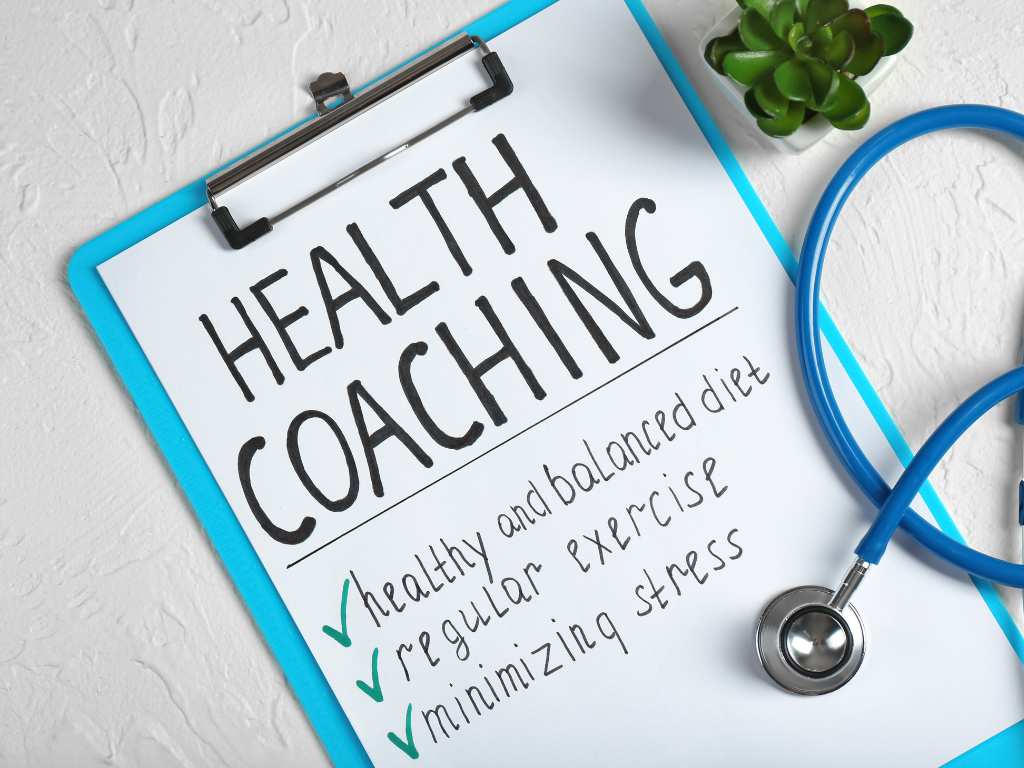
Health coaches guide their clients in how they can achieve their personal health and wellness goals. Unlike traditional nurses, they provide advice and tools for managing health and preventing medical problems instead of medical interventions.
For example, a health coach may help someone lose weight by developing a personalized diet plan and fitness regimen. For another client, they may aid in stress reduction by providing guidance on mindfulness techniques or sleep hygiene.
Other examples could include:
- Chronic disease management
- Improving physical fitness
- Dietary changes (e.g., client wants to pursue a vegan diet)
- Smoking cessation
This alternative nursing job is a great way to continue working one-on-one with people, but without the additional stresses of traditional nursing.
Community Health Nurse
Like public health nurses, community health nurses focus on the well-being of populations rather than individuals. However, they tend to work with specific communities, as opposed to the larger public. Their duties typically include providing:
- Health education
- Preventative care
- Early intervention services
Since they work with specific communities, they ensure care is accessible for often-marginalized groups of people.
Alternative Clinical Settings, Telehealth, and Remote Nursing Roles
Telehealth allows nurses to use clinical assessment and communication skills outside traditional bedside care. These roles have become more common as healthcare organizations expanded virtual services and remote patient support. Many still involve direct patient interaction, but care is delivered through phone, video, or digital platforms instead of in person.
Triage and virtual-care nurses may assess symptoms, support patient intake, and guide remote encounters. Some roles also involve medication review, health education, or care coordination. Work arrangements differ by employer, with some positions fully remote and others combining virtual and on-site responsibilities.
Remote patient-monitoring nurses focus more on health data collected through connected devices and monitoring systems. They may review changes in patient information, respond to clinical concerns, and coordinate with other members of the care team. These roles combine nursing judgment with the ability to work comfortably with digital health tools. Nurses providing telehealth care must also meet the licensing requirements that apply where the patient is located, so multistate practice may involve additional licensure considerations.
Other non-bedside telehealth and remote nursing roles include:
Travel Nurse
Travel nurses work on temporary assignments to fill critical gaps in healthcare facilities away from their primary residence or tax home. Since they take high-demand positions, they’re typically paid a higher amount than resident nurses, often receiving housing stipends and other benefits. Their assignments usually last from a few weeks to a few months, and there are opportunities for just about every kind of nurse specialty.
To find gigs, they usually collaborate with travel nursing agencies that place them in facilities across the country, from urban to rural areas. Overall, travel nurse positions tend to be the highest-paying BSN jobs.
Aesthetic/Cosmetic Nurse
Aesthetic or cosmetic nurses provide cosmetic treatments to improve patients’ appearances. These procedures typically include:
- Botox injections
- Dermal fillers
- Laser treatments
- Facelifts
- Liposuction
They usually work in settings like dermatology clinics, cosmetic surgery centers, and med-spas. You can also advance in your education and become an aesthetic nurse practitioner to earn more.
Nurse Midwife
Nurse midwives are advanced practice registered nurses (APRNs) specializing in women’s reproductive health and childbirth. Their duties often include:
- Prenatal care
- Labor and delivery support
- Postpartum care
- Gynecological exams
This alternative nursing job is similar to an OB/GYN, but with a heavier focus on natural childbirth and reproductive care. Oftentimes, they even offer alternative birth settings, like home births and birthing centers. Beyond childbirth, they also offer family planning guidance and general women’s health services throughout the lifetime.
Home Health Nurse

Home health nurses provide care within patients’ homes. These patients are often recovering from surgery or illnesses, while others are elderly or chronically ill patients requiring consistent care. Their duties typically include:
- Monitoring vital signs
- Administering medication
- Wound care
- Patient education
- Assisting with hygiene
Ultimately, this non-bedside nursing job allows patients to receive medical care in the comfort of their own homes, a huge advantage for those who struggle to travel to traditional healthcare facilities.
Hospice/Palliative Care Nurse
Hospice and palliative care nurses provide care to patients in the final stages of terminal illness or those with debilitating chronic conditions. While hospice care refers to patients with a life expectancy of six months or less, palliative care can be provided at any stage of serious illness.
However, for both alternative nursing jobs, the duties are relatively the same:
- Providing comfort
- Managing pain and symptoms
- Improving quality of life for both patients and their families
Not only do these nurses work closely with healthcare teams to deliver medical care, but they also provide spiritual and emotional support. While some do work in hospitals, others work in settings like hospice centers, nursing homes, patients’ homes, and more. The average annual salary for a hospice nurse is $87,000 per year.
Flight Nurse
Flight nurses are critical care nurses who provide care to patients during aeromedical evacuations or rescue operations. They treat patients while carrying them via helicopters, propeller aircraft, or jet aircraft.
Their specific duties typically include:
- Assessing and stabilizing patients as quickly as possible
- Providing in-flight emergency care
- Ensuring safe transport to healthcare facilities
Given the extreme circumstances of this non-bedside nursing job, like limited space and aircraft noise, flight nurses require specialized training and certification. The average annual flight nurse salary is $109,000 per year. However, some can make as much as $145,000 or more per year.
Correctional Facility Nurse
Correctional facility nurses provide care inside jails, prisons, and juvenile detention centers. They may be tasked with treating all kinds of conditions, from acute injuries to chronic illnesses.
More specifically, their duties often include:
- Conducting health assessments on incoming inmates
- Administering medications
- Providing emergency care
- Communicating with other healthcare facilities when advanced care is required
Because of the unique work setting, this alternative nursing job requires a high degree of autonomy. Additionally, they need to operate under strict security guidelines. However, they do play a key role in ensuring inmates are cared for safely and humanely.
Why Consider Alternative Nursing Jobs?
Nurses explore alternative nursing jobs for a multitude of reasons, from personal fulfillment to higher salary potential:
- Personal Fulfillment: Alternative nursing jobs let you focus on an area you’re passionate about or talented in. If you’re passionate about patient advocacy, consider a nurse investigator role. If you’re interested in how technology can improve healthcare systems, you can consider becoming a nurse informaticist. If you want to address systemic needs in nursing, public policy nursing or nurse lobbyist is something to consider. Nurses with a talent in writing can pursue becoming a nurse writer or journalist.
- Professional Growth: Pursuing alternative nursing jobs is a great way to expand your technical and leadership skills. The more experience you can gain in diverse areas of nursing, you’re better equipped to lead teams in the future. You can also develop new connections and grow your network, potentially leading you to a host of new employment opportunities in multiple locations.
- Work-Life Balance: Nurses are feeling more burnt out than ever, with a nursing survey in 2023 saying that 81% of nurses felt burnt out at some point, leading to a decline in their mental health. Pursuing alternative nursing jobs offers more predictable schedules, remote work opportunities, and less physically demanding tasks.
- Higher Pay: Though you can still earn a good salary by climbing your way up the traditional nursing pyramid, focusing on other pathways is a good option. With many alternative career paths for nurses requiring specialized knowledge and experience, the salary potential can be greater. For example, nurse informaticists can earn well over six figures on average with their technical expertise, while the average RN salary typically hovers around $97,000.
Frequently Asked Questions About Alternative Nursing Jobs
Not every alternative nursing job requires another degree or certification. Some employers focus more on an active RN license and relevant clinical experience, while others may prefer graduate education or specialty credentials. Reviewing the qualifications for the specific role can help you determine how much additional preparation you may need.
Moving into a non-bedside role does not automatically harm a nursing career. Roles in case management, informatics, public health, education, and consulting can build nursing expertise in different ways. Nurses who later return to direct patient care may need to meet employer requirements or refresh certain clinical skills, but their non-bedside experience still remains part of their professional background.
Earning potential differs widely across non-bedside nursing careers. Leadership positions and specialized roles in areas such as informatics, healthcare consulting, industry, or legal nurse consulting may offer higher compensation in some settings. Pay ultimately depends on the position, employer, experience level, and work arrangement.
There is no single experience requirement for every non-bedside nursing career. Some employers may consider nurses earlier in their careers, while roles that rely heavily on independent clinical judgment may prefer more relevant practice experience. Comparing the requirements of the role with your current skills and background can help you judge when you are ready to make the transition.
Finding the Right Alternative Nursing Career
Moving away from bedside nursing does not mean leaving nursing expertise behind. Clinical experience can support many career paths where nursing judgment remains valuable, including roles in case management, informatics, education, consulting, public health, and telehealth. The best option depends on how you want to use that experience as your career develops or when retiring from nursing.
Some alternative nursing jobs allow nurses to move directly from clinical practice, while others require additional preparation. The right choice may depend on the work environment you prefer, the responsibilities you want to take on, and the opportunities you want to pursue over time. Looking at those factors together can help you choose a path that fits your goals more closely than focusing on schedule or salary alone.
A non-bedside career can still build on the skills and professional experience you have developed as a nurse. Our nursing specialties guide can help you explore additional career directions and compare roles that align with your professional goals.


